

Trump Proposes 10% Tariff on All Imports from China
CargoesPi shipping news: 26 November, 2024
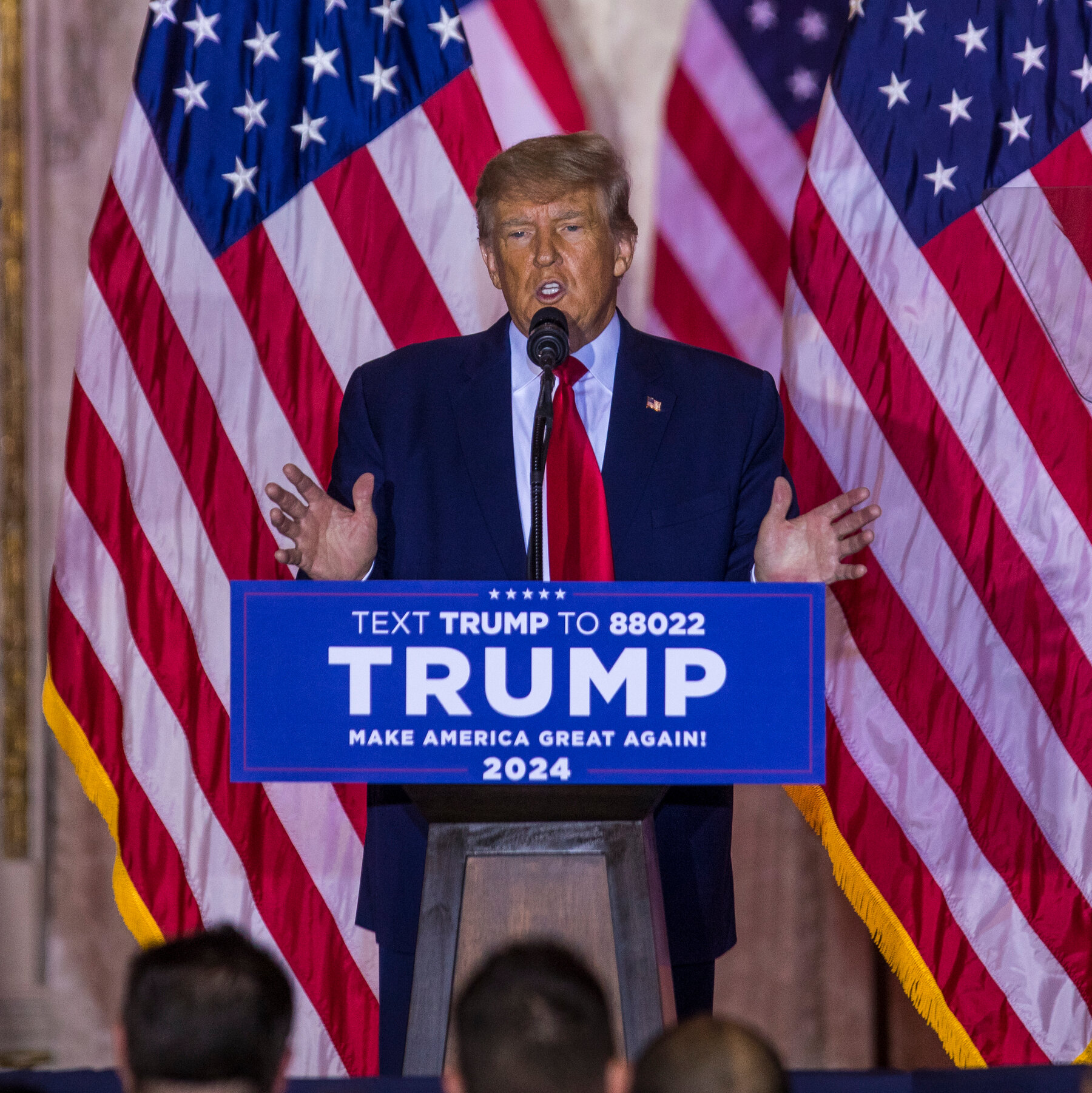
Trump Proposes 10% Tariff on All Imports from China and 25% Tariff on All Imports from Mexico and Canada.Trump's new tariff plans may significantly impact international trade and U.S. consumer spending.
Key Announcements
On the 25th Nov 2024, U.S. President Donald Trump announced plans to impose a 25% tariff on all products imported from Mexico and Canada.
Additionally, Trump revealed an extra 10% tariff on Chinese goods. This aligns with his suggestion in an interview last year to impose a universal 10% tariff on all imported goods.
Potential Consumer Impact
A study by the National Retail Federation (NRF) in November indicated that if Trump’s proposed new tariff plans are implemented, American consumers’ annual spending power could decrease by as much as $78 billion.
The study highlights that these tariffs would affect consumer goods categories such as clothing, toys, furniture, appliances, footwear, and travel accessories.
According to a Reuters analysis, U.S. consumers have become more frugal in recent years, cutting down on non-essential expenses. This trend has added sales pressure on retailers and consumer goods companies.
Concerns
Jonathan Gold, NRF Vice President for Supply Chain and Customs Policy, stated that retailers rely on imported goods and manufacturing components to offer diverse and affordable products. He warned that implementing these import tariffs would disproportionately burden low-income families, as tariffs are ultimately passed on to consumers through higher prices.
Impact on U.S. Businesses and Supply Chains
The proposed tariffs create challenges beyond consumers, directly affecting many U.S. businesses. Companies that rely on parts and raw materials imported from China, Mexico, and Canada will face higher production costs. This often forces businesses to either absorb these extra expenses, reducing profit margins, or pass them on to consumers through higher prices. In response, some businesses may seek to diversify suppliers or increase domestic production. However, adjusting supply chains requires time and investment, which could slow operations and add uncertainty in the short term.
Conclusion
President Trump's proposed tariffs on Chinese and Mexican goods could have significant economic implications for both consumers and businesses. While the tariffs may help protect domestic industries, they could also lead to higher prices for consumers and increased production costs for businesses. It remains to be seen how these tariffs will be implemented and how they will impact the global economy.
Impact on Specific Industries
- Retail sector: Likely to see immediate price increases on everyday consumer goods such as clothing, electronics, and household items, since many of these are imported from China, Mexico, and Canada.
- Automotive industry: Could face supply chain disruptions and increased costs, as a significant portion of vehicles and auto parts are sourced from Mexico and Canada.
- Agriculture: May experience indirect effects if retaliatory tariffs imposed by other countries reduce demand for U.S. agricultural exports, impacting farmer's income.
- Electronics and technology: Companies might encounter higher costs for imported components, potentially delaying product releases or causing price increases for consumers.
Consumer Alternatives and Coping Strategies
- Domestic products: Consumers may shift towards goods made in the U.S., though these options can sometimes be more expensive than imports.
- Budget adjustments: Many shoppers might prioritize essential purchases and reduce spending on non-essential or luxury items to manage rising prices.
- Smart shopping: Taking advantage of online deals, buying in bulk, and exploring secondhand markets can help consumers save money despite tariff-related price increases.
- Alternative platforms: Swapping and peer-to-peer marketplaces could become more popular as affordable ways to obtain goods without paying full retail prices.
Potential Legal and WTO Challenges
The imposition of new tariffs often raises questions about compliance with international trade rules. The affected countries—China, Mexico, and Canada—could challenge the tariffs at the World Trade Organization (WTO). Such disputes can take months or years to resolve and might lead to retaliatory tariffs or negotiated compromises. This legal uncertainty adds complexity for businesses that depend on stable trade conditions.
Tips for Importers and Exporters
- Contract review: Carefully analyze supplier agreements to identify tariff-related cost implications and clauses that may affect pricing or delivery terms.
- Supplier diversification: Investigate sourcing materials and products from countries not affected by tariffs to minimize exposure and supply chain risks.
- Inventory management: Consider increasing stock levels ahead of tariff implementation to hedge against immediate cost increases, while balancing cash flow constraints.
- Expert guidance: Collaborate with customs brokers and trade consultants to stay informed about tariff classifications, exemptions, and compliance requirements.
- Pricing and communication: Reassess pricing strategies to absorb or pass on increased costs and communicate transparently with customers to maintain trust and manage expectations.
How CargoesPi Can Help
With changing tariffs and trade policies, navigating international shipping can be challenging. CargoesPi offers expert guidance and efficient logistics solutions to help businesses optimize supply chains, stay compliant, and manage costs. Our experienced team supports importers and exporters in adapting to new regulations, ensuring smooth and cost-effective shipping despite uncertainties.
Frequently Asked Questions (FAQs)
-
Will the tariffs apply to all products from China, Mexico, and Canada?
While the proposals are broad, some exemptions or adjustments may occur over time.
-
When will the tariffs take effect?
Timelines depend on regulatory approvals and public feedback, so it's important to follow official announcements.
-
Is there a chance these tariffs will be changed or removed?
Trade policies often evolve with negotiations and political shifts, so adjustments are possible.